A stumble that would have meant nothing at 40 can send a 65-year old to the emergency room. That is not bad luck. It is biology, and understanding what changes in your body after 60 is the first step toward doing something about it.
The Body Changes That Make Falls More Likely After 60
Balance is not one single system. It depends on the coordination of three separate inputs: what your eyes see, what your inner ear senses, and the feedback your muscles and joints send to your brain about where your body is in space. That third system, called proprioception, tends to slow down noticeably after age 60. Signals from your feet and ankles, which are your first warning that the ground has shifted, arrive a fraction of a second later than they once did.
That delay matters enormously when you step off a curb or cross an uneven parking lot. On top of that, muscle mass declines steadily through midlife, and the muscles around the hip, knee, and ankle are precisely the ones that catch you before a stumble becomes a fall. When strength and reaction speed both decline at the same time, the margin for error shrinks fast.
Vision also changes with age. Depth perception becomes less reliable, and adjusting to changes in light, such as stepping from a bright porch into a dim hallway, takes longer. Each of these systems normally backs the others up. When two or three of them weaken together, the combined effect on balance is greater than any one factor alone.
Medications, Blood Pressure, and the Risks Nobody Warns You About
Many common medications prescribed to older adults, including blood pressure drugs, sleep aids, and certain antihistamines, can affect alertness, slow reaction time, or cause a drop in blood pressure when you stand up quickly. That last one, called orthostatic hypotension, produces the dizzy spell that precedes a fall in the kitchen or bathroom.
A thorough fall risk evaluation looks at your medication list alongside your physical condition, because the solution to a medication related fall risk often starts with a conversation with your physician rather than just an exercise program. That is why a review of your medications and their side effects, along with input from your physician, is part of what the evaluation process at Elite Rehab Solutions covers. The goal is to make sure nothing that belongs in a clinical conversation gets overlooked when building a prevention plan.
What Does a Fall Prevention Evaluation Actually Check?
A good evaluation looks at far more than whether you can stand on one foot. At Elite Rehab Solutions, the initial assessment covers strength testing, flexibility testing, walking patterns, your health history, sight and hearing screenings, blood pressure, and whether your current footwear or any assistive devices you use are helping or creating risk.
Each of those categories can reveal a different root cause. Someone whose gait has narrowed because of hip arthritis faces a very different risk profile than someone whose balance problems trace to inner ear dysfunction or weak ankles. That is why treatment programs vary from person to person, and why a personalized approach matters more than a generic class. The evaluation is where that personalization begins.
Is It Too Late to Improve Balance After a Fall Has Already Happened?
No, and this point is worth stating plainly. Improving balance after a fall is not only possible, it is often more urgent than waiting for a second one to happen. Research consistently shows that targeted exercise programs can reduce fall risk in older adults, and physical therapy is one of the most direct routes to that outcome.
Fear of falling is itself a risk factor, because it causes people to move less, which accelerates the muscle loss and proprioceptive decline that made the fall likely in the first place. Getting back into purposeful, structured movement under the guidance of a therapist breaks that cycle. The sooner that process starts, the more ground can be recovered before inactivity compounds the problem.
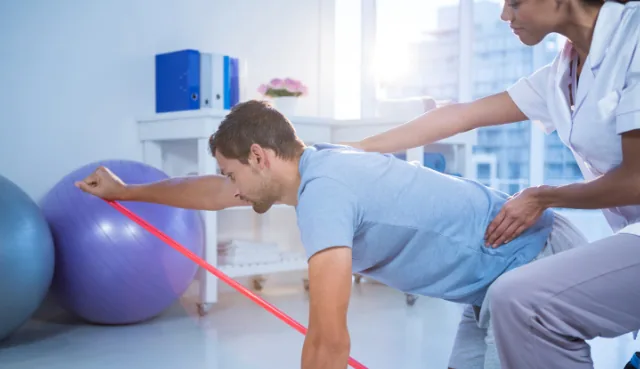
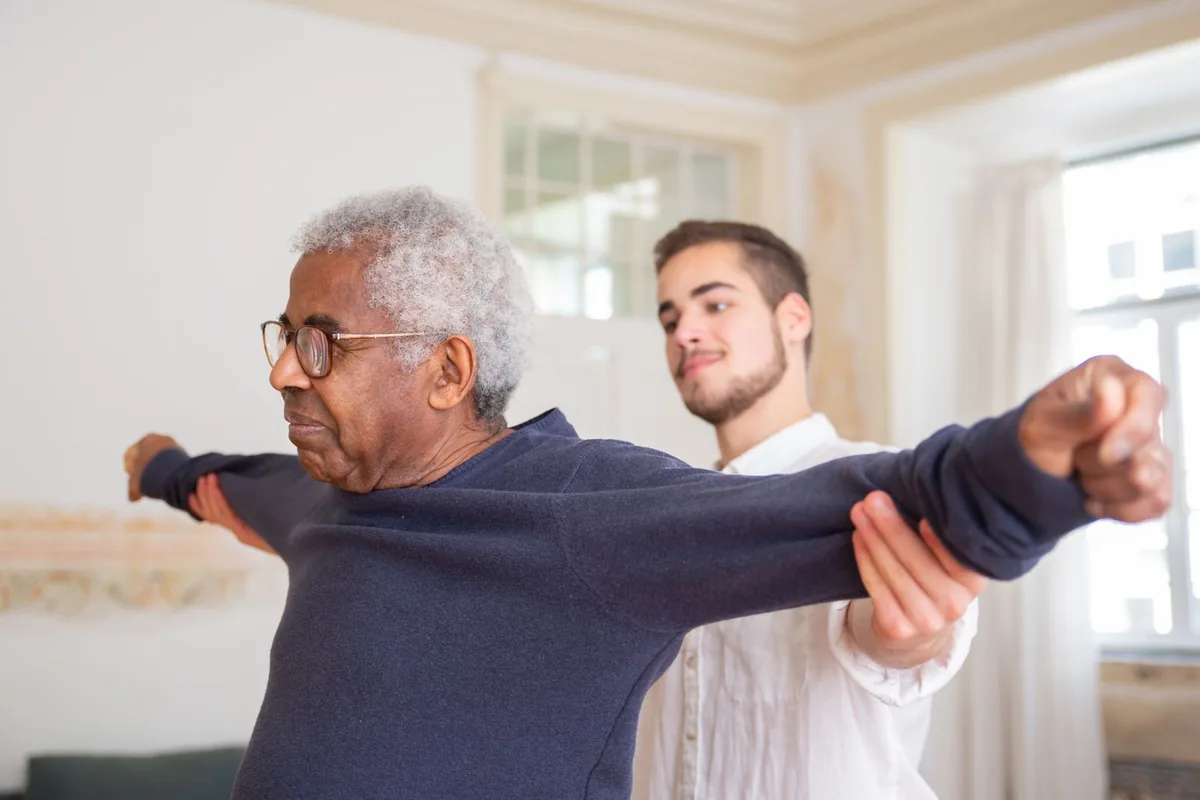
Effective fall prevention therapy draws on several types of work at once. Balance training teaches your nervous system to correct quickly when your center of gravity shifts. Strength training, particularly for the hips, thighs, and ankles, builds the muscular reserve that gives you time to recover from a stumble before it becomes a fall.
Flexibility exercises address the stiffness that shortens your stride and narrows your base of support. Visual exercises can help when the eyes are part of the problem. Weight bearing exercises rebuild confidence and load tolerance after a period of reduced activity. A personalized home program extends the work between clinic visits so progress keeps accumulating between appointments. Sleep hygiene and risk reduction education round out the picture, because a tired body reacts more slowly and a cluttered hallway can undo good clinic work.
Everyone’s situation is different, so the specific combination of these tools will vary. The evaluation findings guide that decision, which is one reason the assessment step matters so much.
Home and Environment Changes That Reduce Fall Risk
A physical therapy program works on the body from the inside. The environment around your home deserves attention at the same time. Risk reduction and modification education is part of the fall prevention program at Elite Rehab Solutions, and that education reflects what therapists consistently see in practice: certain hazards show up again and again.
Loose rugs, poor lighting in hallways and stairwells, bathroom floors without grip mats or grab bars, and extension cords across walking paths are among the most common contributors to home falls. Footwear is underrated as a factor. Slippers with worn soles or shoes without heel support contribute to more stumbles than most people expect, which is why footwear recommendations are a formal part of the evaluation process here. Many of these changes cost very little and take an afternoon to address, and they reduce the number of times the body’s balance system has to rescue you in the first place.
If you or someone in your family has had a fall, has started avoiding stairs or uneven ground, or simply feels less steady than they used to, that concern deserves a real answer. Clinically proven ways to prevent most falls exist, and the process starts with understanding exactly what is driving the risk for that specific person. Learn more about what to expect and how the program works on the Elite Rehab Solutions balance and fall prevention page , or contact the clinic nearest to you to request an initial evaluation. No referral is required, and in most cases insurance will cover the evaluation and treatment.
At what age should someone start thinking about fall prevention?
Most physical therapists suggest addressing balance proactively before a fall occurs. Changes in proprioception and muscle strength that increase fall risk often begin gradually in the early 60s, so it is worth paying attention once someone notices they feel less steady, have started holding onto walls or furniture, or have had even one close call. Earlier attention is better than waiting for an injury to prompt action.
Do I need a doctor’s referral to start fall prevention physical therapy at Elite Rehab Solutions?
No referral is required. You can contact any Elite Rehab Solutions clinic directly or submit an appointment request through the website, and the team will schedule an initial evaluation. If your medication list needs to be reviewed as part of the evaluation, that process involves your physician as appropriate.
Will insurance pay for fall prevention physical therapy?
In most cases, yes. Elite Rehab Solutions accepts most insurances and also offers private pay options. The best way to confirm your specific coverage is to contact your nearest clinic before your first visit.
What is the difference between balance training and just doing regular exercise?
General exercise is valuable, but balance training specifically challenges the nervous system’s ability to detect and correct instability. That includes exercises that narrow your base of support, introduce unstable surfaces, or require quick adjustments. A physical therapist also monitors your form and progression in a way that a general fitness class cannot, and can use evaluation findings to focus the program on the factors most relevant to your situation, rather than applying a one size fits all routine.
My parent had a fall last month and is now afraid to walk around the house. Where should we start?
Start by calling the nearest clinic to schedule a thorough evaluation. Fear of falling after an actual fall is very common, and it tends to make the underlying problem worse by reducing activity. A physical therapist can assess what contributed to the fall, address it directly, and help rebuild both the physical ability and the confidence to move safely. Elite Rehab Solutions has clinics in Prattville, Holtville, Eclectic, Tuskegee, Tallassee, and on the Valleydale Road corridor serving the Hoover area.